 English
 中文
中文We see temperature constantly shifting as dairy items move through production and into storage. Milk gets heated up for pasteurization. Yogurt has to sit at a steady temperature while fermenting. Once production finishes, these dairy products get cooled fast, then stored chilled or frozen. Temperatures keep changing at every production stage. That’s why dairy plants can’t only check temperature at isolated points; they need tracking across the whole workflow for comprehensive dairy processing temperature monitoring. Equipped with a wide temperature detection range, Bluetooth temperature data loggers can capture real-time temperature changes and keep complete condition records for every single dairy processing step.
Different Dairy Processes, Different Temperature Requirements
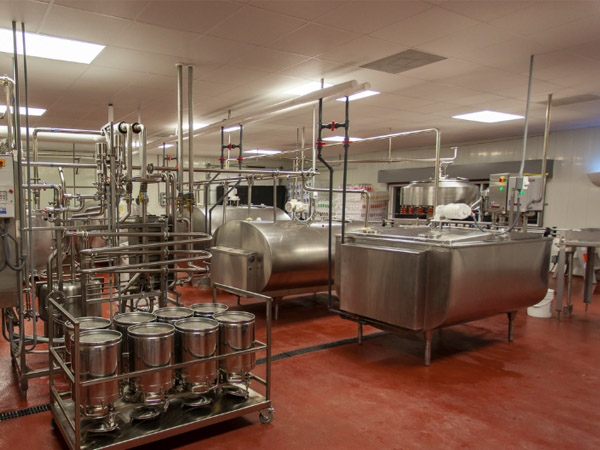
Pasteurization is undoubtedly a core temperature-sensitive procedure in dairy production, but it’s not the only step that needs precise monitoring. FDA’s Grade “A” Pasteurized Milk Ordinance lays out required time and temperature combinations for milk and dairy goods. For batch pasteurization, you hold milk at 63°C over a 30-minute period. The HTST method works differently, holding product at 72°C for just 15 seconds. Continuous production workflows also support other valid combinations of higher temperatures and shorter holding durations.
Yogurt production follows a totally different temperature curve. After completing milk heat treatment, producers cool the raw material to 42–45°C, the ideal temperature for adding fermentation strains. The mixture is then kept at a stable temperature for incubation before final cooling treatment. This means dairy production has multiple key temperature monitoring nodes throughout operation.
| Processing stage | Example temperature | What to monitor |
| Batch pasteurization | 63℃ / 30 min | Heating and holding |
| HTST pasteurization | 72℃ / 15 s | Short-time heat treatment |
| Yogurt fermentation | 40–45℃ | Temperature stability during incubation |
| Post-fermentation cooling | Around 4℃ | Cooling performance |
| Refrigerated dairy storage | ≤7℃ | Storage temperature |
| Frozen dairy storage | Below 0℃ | Frozen storage conditions |
These figures serve only as examples, not fixed rules that fit every factory. You must set your real operating conditions based on your product recipe, equipment, process layout and local food safety rules.
Why a Wider Measurement Range Can Be Useful
Most temperature loggers are made for cold chain shipments. They perform fine inside cold warehouses but cannot handle the high heat found in pasteurization lines. Similarly, devices customized for high-heat processing fail to meet the low-temperature monitoring needs of subsequent production and storage links.
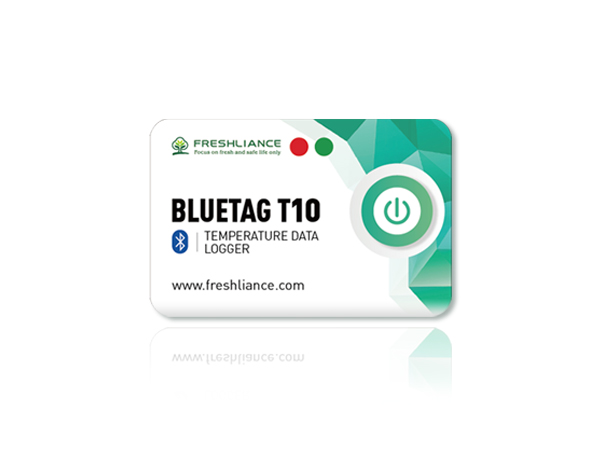
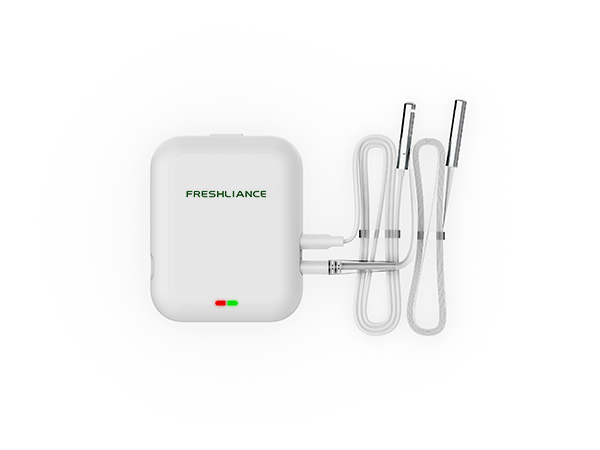
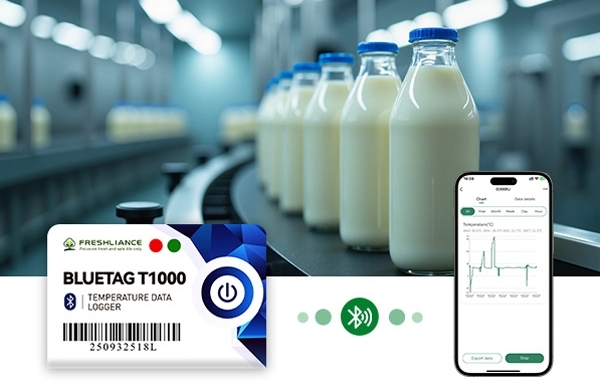
Covering -40°C to +100°C, the Freshliance BlueTag T1000 Bluetooth temperature recorder fits most conventional temperature monitoring scenarios in dairy production within its rated range. It fully adapts to high-temperature pasteurization temperature monitoring needs. Meanwhile, its low-temperature coverage perfectly matches yogurt cooling, daily refrigerated dairy storage and frozen product monitoring work.
One Record Can Show More Than the Target Temperature
You don’t only need final temperature readings to judge pasteurization quality. Good tracking covers every step: heat ramp-up, temperature hold, in-process shifts, and final cooling. For yogurt production, ongoing temperature records confirm fermentation stays within valid ranges before cooling begins.
Plant teams use these full logs to review finished batches. Instead of only checking instant controller readings, staff can track full temperature changes across production and confirm stable process performance.
The BlueTag T1000 Bluetooth temperature data logger allows adjustable logging intervals of 1 to 99 minutes, with internal storage for up to 65,000 temperature records.
Users can view complete temperature records via the Tkeeper mobile app and export files for in-depth data analysis and process sorting.
Designed for Food-Processing Environments
Dairy production rooms deal with lots of water splashes, condensation, and regular washdowns, so humidity stays high all year. The BlueTag T1000 Bluetooth temperature data logger carries an IP68 rating and comes with food-grade protective wrapping. It keeps running reliably in these damp food manufacturing spaces. This logger uses Bluetooth 5.2. Teams can set it up and pull live temperature data directly on a mobile app. It allows staff to view intuitive temperature curves after recording and compare data from multiple monitoring points for unified process analysis.
Dairy manufacturers no longer need to limit temperature monitoring only to pasteurization steps. The same measurement range can support temperature recording across a wider part of the process—from heat treatment and yogurt fermentation to cooling, refrigerated handling, and frozen dairy storage, where the actual temperature remains within the logger's specified range.