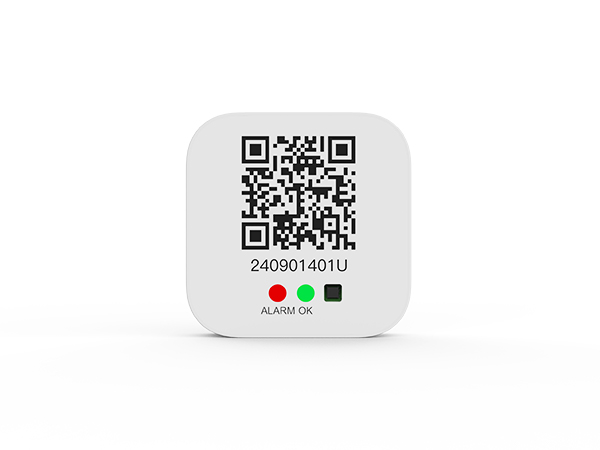
4G Temperature Data Tracker for Pharmaceutical Cold Chain Shipments
Pharma cold chain teams already handle most daily work through their own TMS, healthcare portals or IoT systems. Sticking to set temperature limits is a core compliance requirement. Teams also need to track cargo location, condition changes and unexpected temperature swings across the whole trip. Right now, temperature and humidity data often sits on its own separate monitoring platform. That makes it hard to match shipment paperwork with sensor records. How can teams integrate real-time cold chain monitoring data into their existing systems, without building monitoring hardware and backend infrastructure from scratch? Freshliance provides an integrated solution combining 4G temperature data trackers with API and Webhook services, helping customers connect transportation monitoring data to their own software platforms.
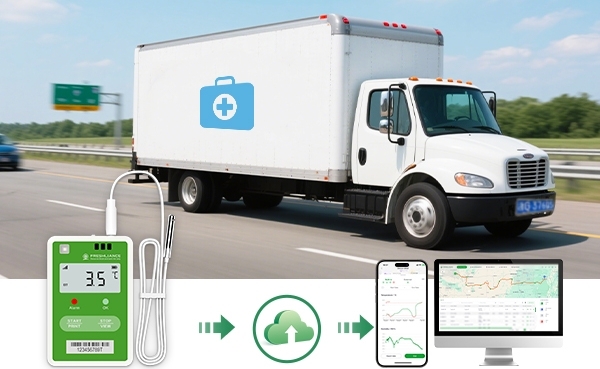
1. The Challenge: Cold Chain Data Shouldn't Be Trapped in Separate Systems
Pharmaceutical Cold Chain shipments need regular tracking for temperature, humidity and location. If monitoring data stays separate from your main logistics or healthcare platform, four typical operational problems show up:
Fragmented Data Management: Shipment info and environmental logs live on different systems, so there’s no single unified view for each delivery.
Manual Data Checking: Staff switch between different platforms to check shipment status and sensor data, which adds extra routine work.
Delayed Exception Response: Without monitoring data built into regular workflows, spotting anomalies and launching follow-up actions takes extra manual steps and longer response time.
Limited System Flexibility: It is difficult to integrate sensor data into custom internal dashboards, reporting templates and standard management processes.
For organizations already running their own digital platforms, a standalone monitoring tool is not sufficient. They need a flexible way to connect tracking hardware and feed environmental data directly into their existing software ecosystem.
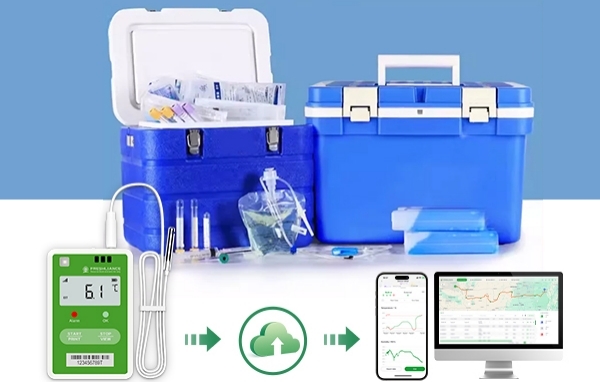
2. The Solution: Connect Freshliance 4G Trackers to Your Existing Platform
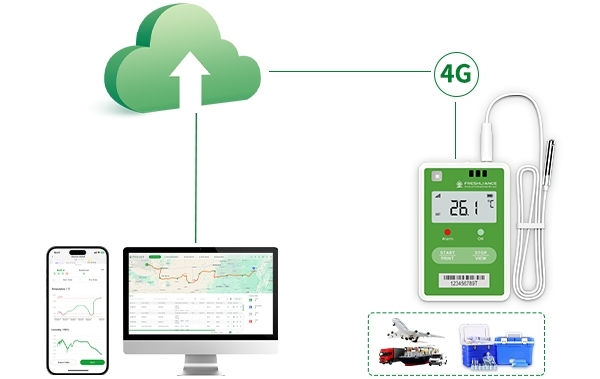
Freshliance’s 4G temperature data trackers deliver real-time tracking of temperature, humidity and geolocation across the full transit journey. Select models add extra sensing capabilities for light exposure and physical shock events.
The 4G module sends all readings to Freshliance Cloud, where users can view shipment details and environmental history. For pharmaceutical transportation applications, the compact Fresh Tracker 20 real-time temperature data logger is designed for medical transportation, particularly vaccine transport boxes, thermal boxes, and incubators. More importantly, Freshliance supports system integration through its optional API service, allowing customers to connect compatible monitoring devices to their own software systems.
With API integration, customer platforms are able to access:
Real-Time and Historical Monitoring Data: Teams can pull temperature, humidity and other available sensor records through the connection.
Device Information: Full device details and supported management functions are accessible via the integration.
Transportation Records: Access trip profiles paired with their corresponding sensor data.
Flexible Device Management: Device grouping and configuration features can be built directly into existing software workflows.
Teams don’t have to rely solely on a separate monitoring dashboard. They can embed Freshliance tracking data directly into their own platforms for centralized viewing and management.
3. API vs. Webhook: Two Ways to Integrate Your Monitoring Data
Freshliance provides two ways to connect your systems: API and Webhook. Each one works with different software setups and data handling needs. Both let data move between systems, but they work in different ways.
| API | Webhook | |
| Data Exchange | Your system requests data from the Freshliance platform. | Freshliance automatically pushes data to your designated server endpoint. |
| How It Works | On-demand data retrieval through API requests. | Automatic data delivery after configuration. |
| Typical Applications | Retrieving device information, trip records, and historical monitoring data. | Receiving monitoring data for automatic processing and integration into your system. |
| Key Advantage | Flexible control over when and what data to retrieve. | Reduces repeated data requests and manual data collection. |
| Best For | Platforms requiring flexible data access and retrieval. | Platforms requiring automatic data delivery and processing. |
Put plainly, API works like an on-demand request — your system pulls data whenever you need to retrieve records or run analysis. Webhook works as an automatic push: Freshliance sends new data straight to your designated server the moment readings are generated. Which option fits better depends on your internal software structure and daily operational workflows. Both options create a stable link between Freshliance tracking devices and your existing software, to support different integration use cases.